
Home Interior Redesign
Overview:
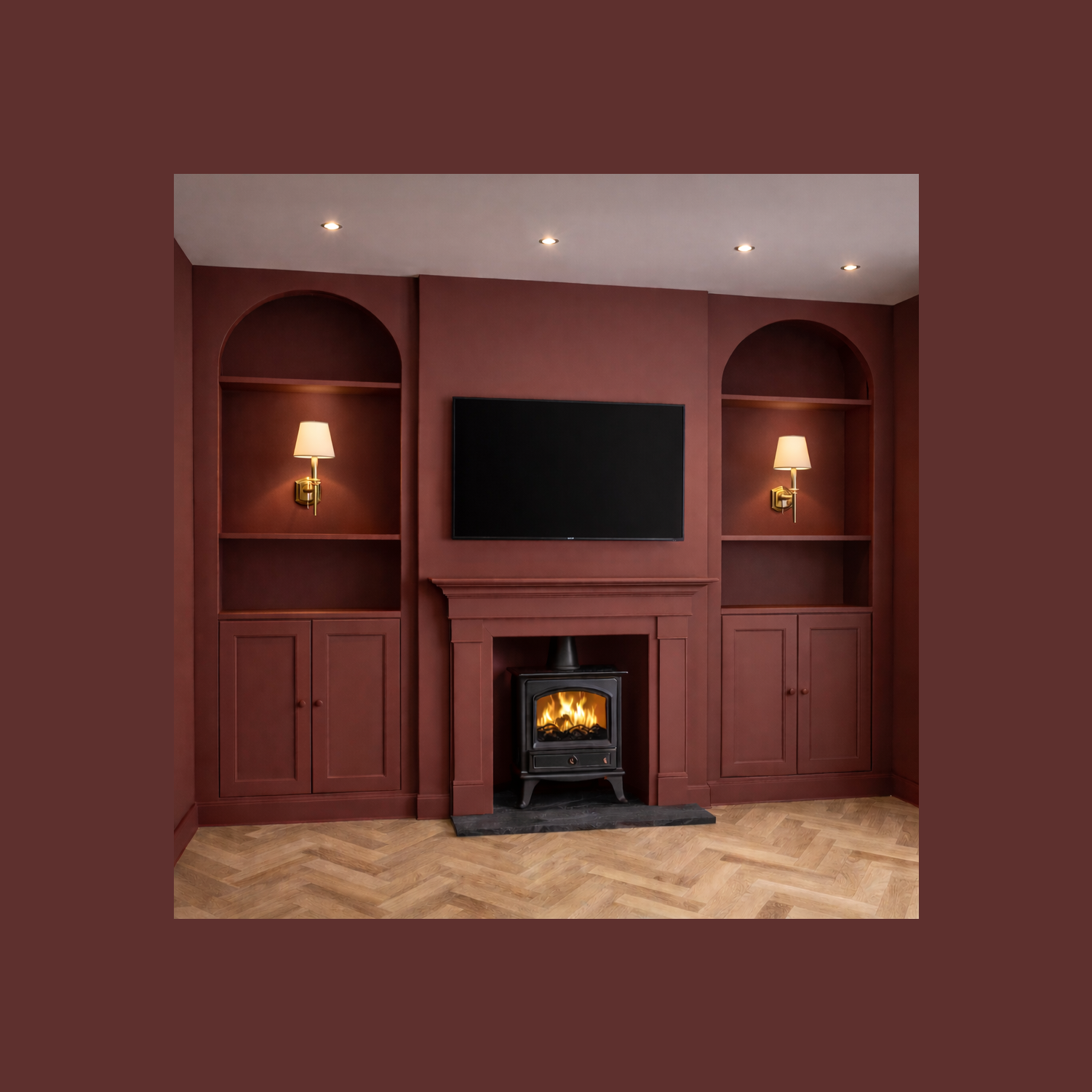
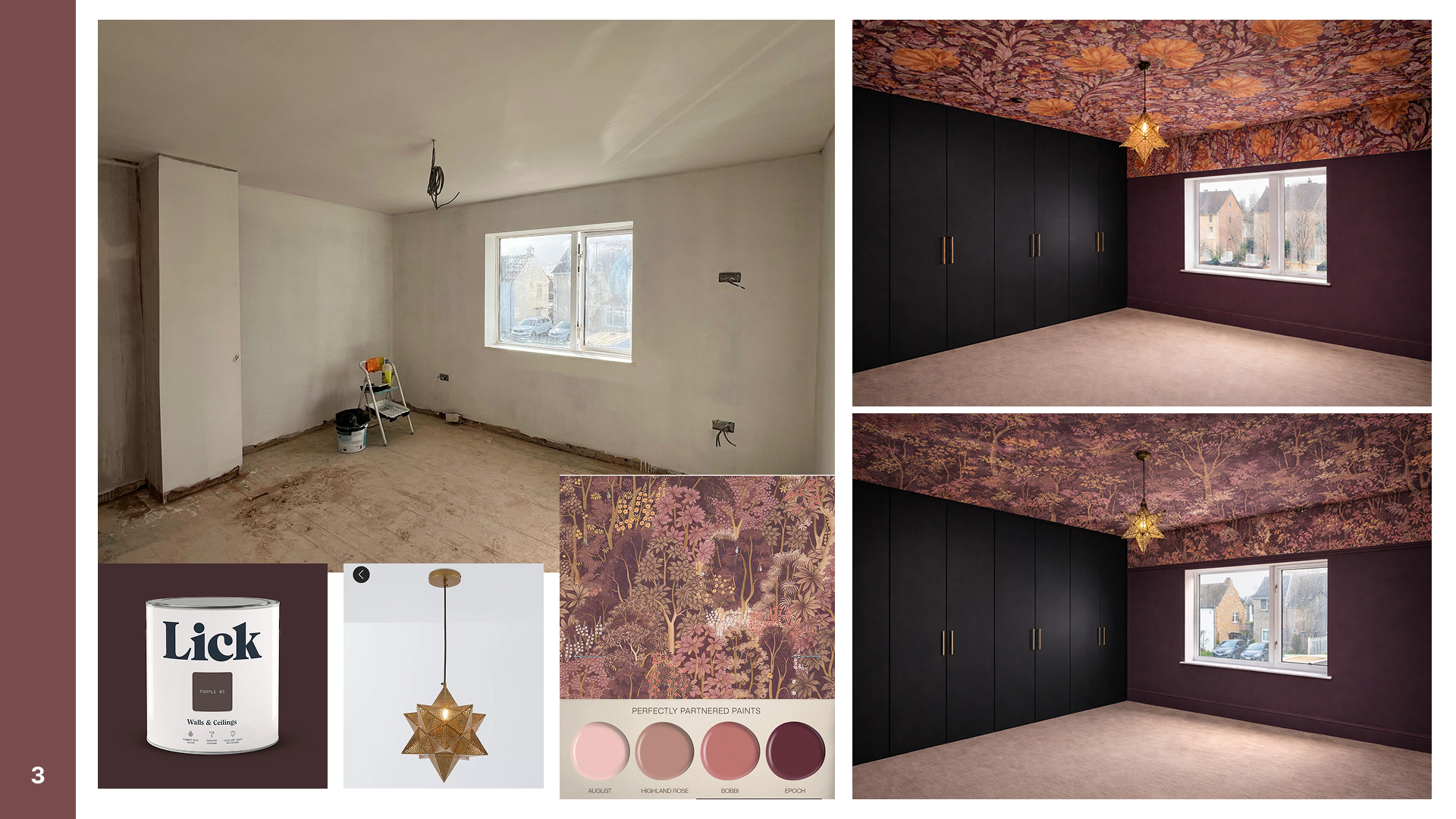
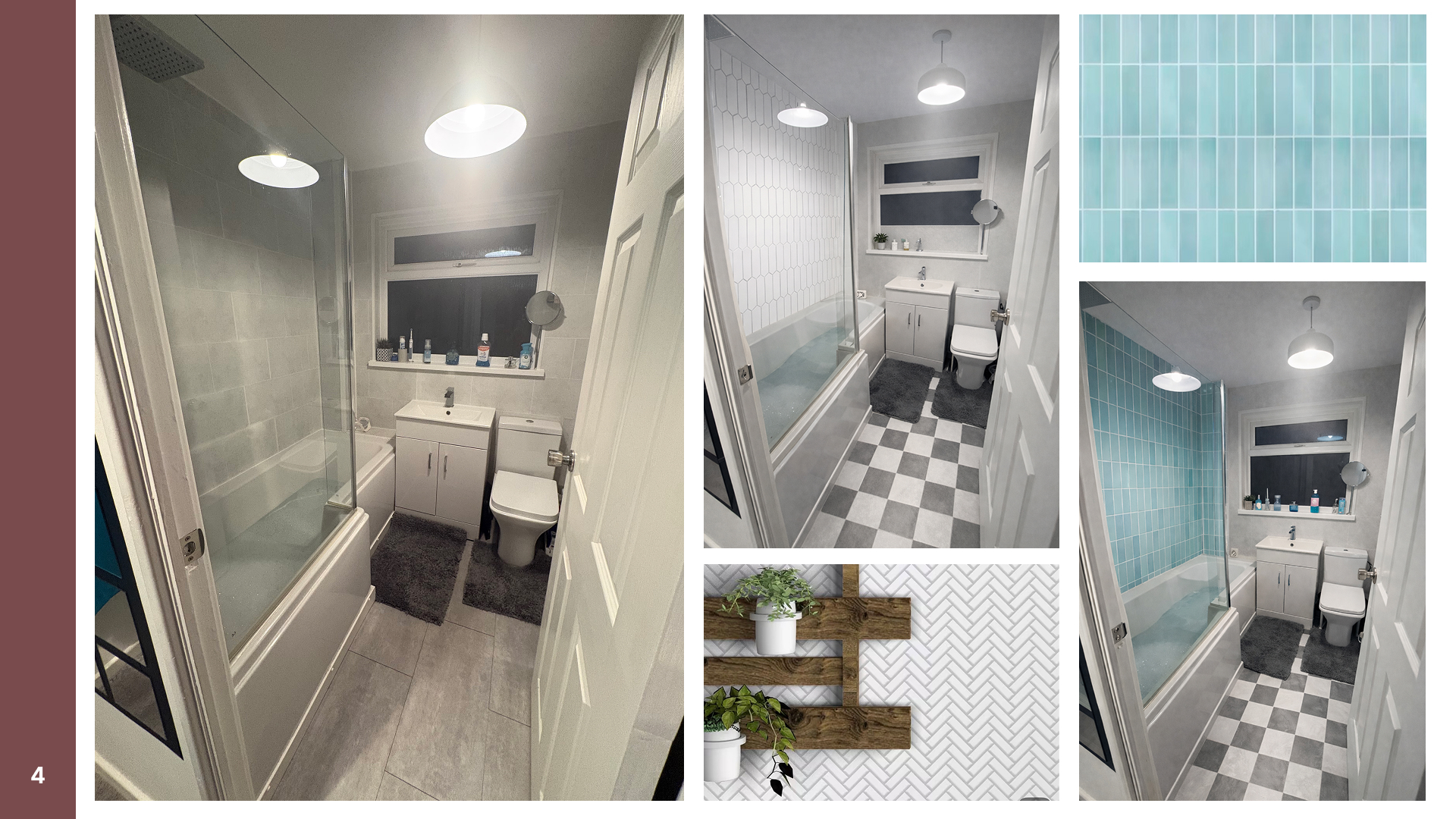
This project explored how AI tools can be used to support interior design decisions, helping visualise and iterate on home layouts, styles, and finishes.
Redesigning a home interior typically involves uncertainty, multiple decisions, and difficulty visualising outcomes. The goal was to use AI to quickly explore ideas, reduce decision fatigue, and create a clear direction before committing to changes.
My Role:
Designer (Personal Project)
- Defined the scope and design direction for the interior redesign
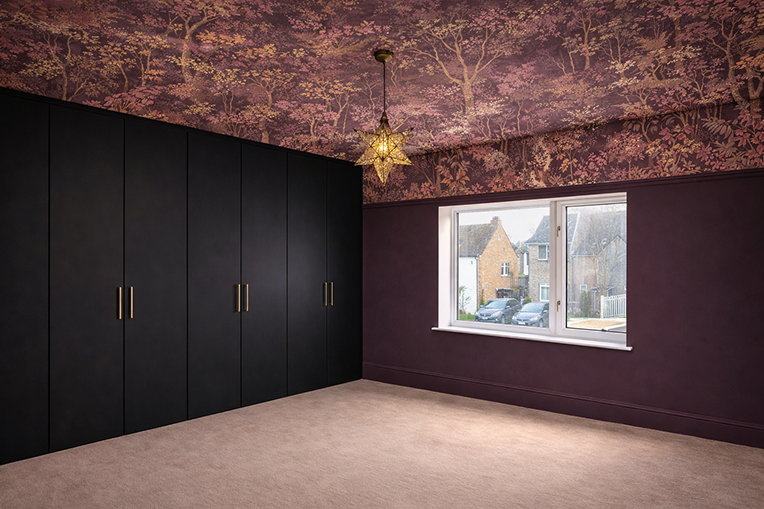
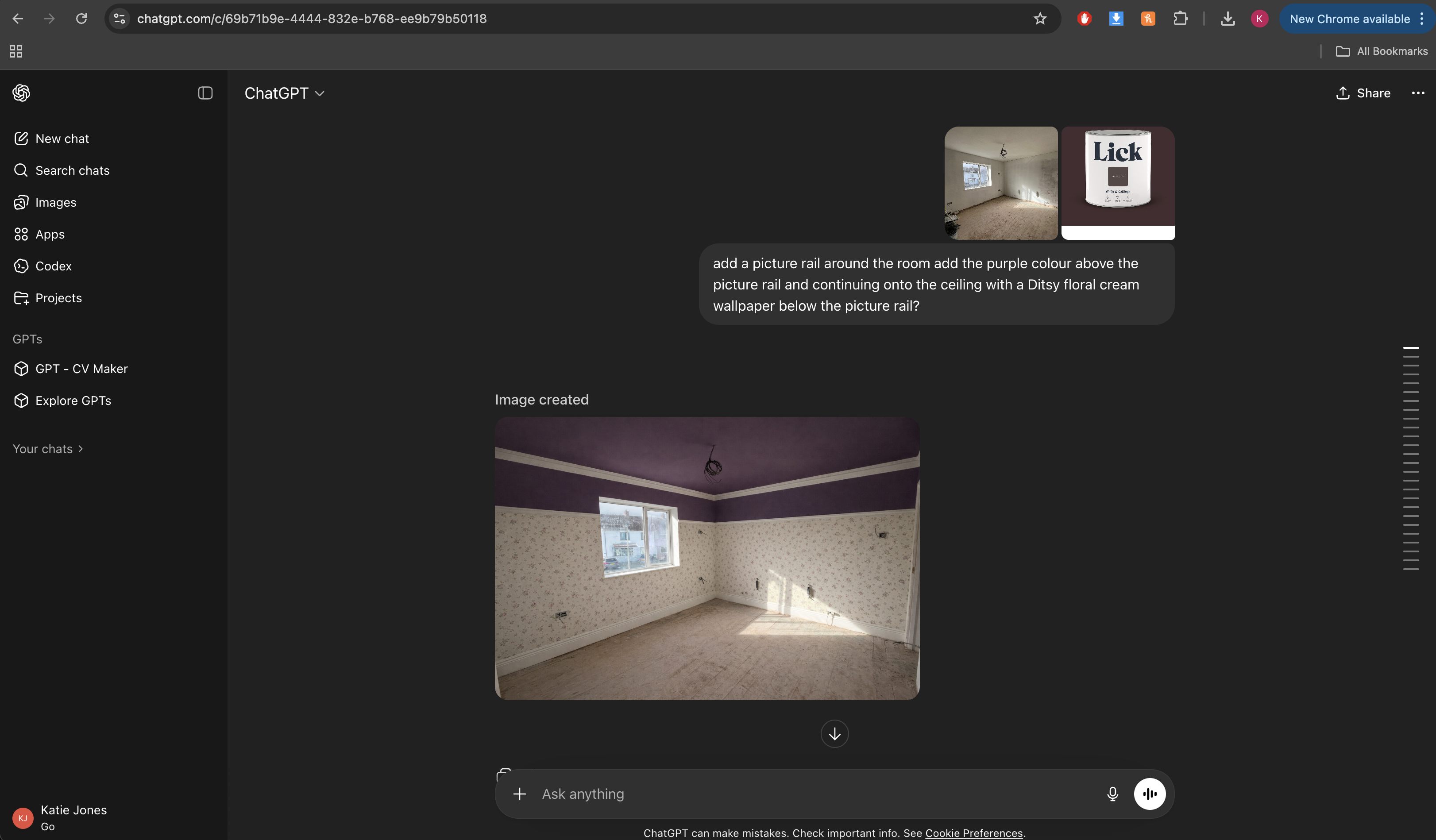
- Used AI tools (ChatGPT + visual canvas tools) to generate and explore concepts
- Iterated on layouts, styles, and materials through prompting
- Translated ideas into clear visual directions for decision-making
Tools:
- ChatGPT
- Figma
The Problem:
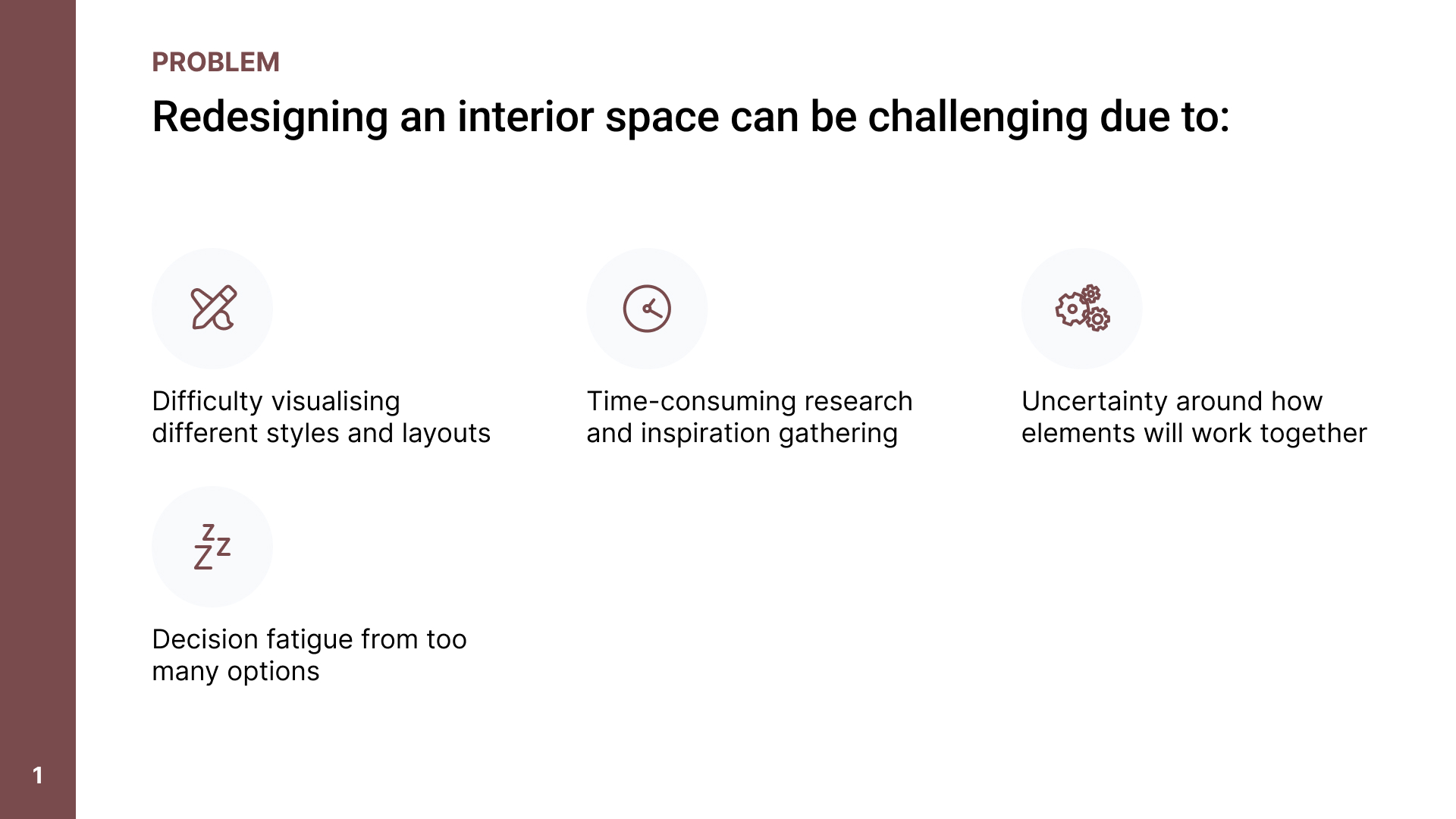
Redesigning an interior space can be challenging due to:
- Difficulty visualising different styles and layouts
- Time-consuming research and inspiration gathering
- Uncertainty around how elements will work together
- Decision fatigue from too many options
The Challenge:
- Turning abstract ideas into tangible visual concepts
- Exploring multiple design directions quickly
- Maintaining consistency across style, layout, and materials
- Making confident decisions without costly trial and error
Approach:
- Defined initial goals (style, mood, functionality)
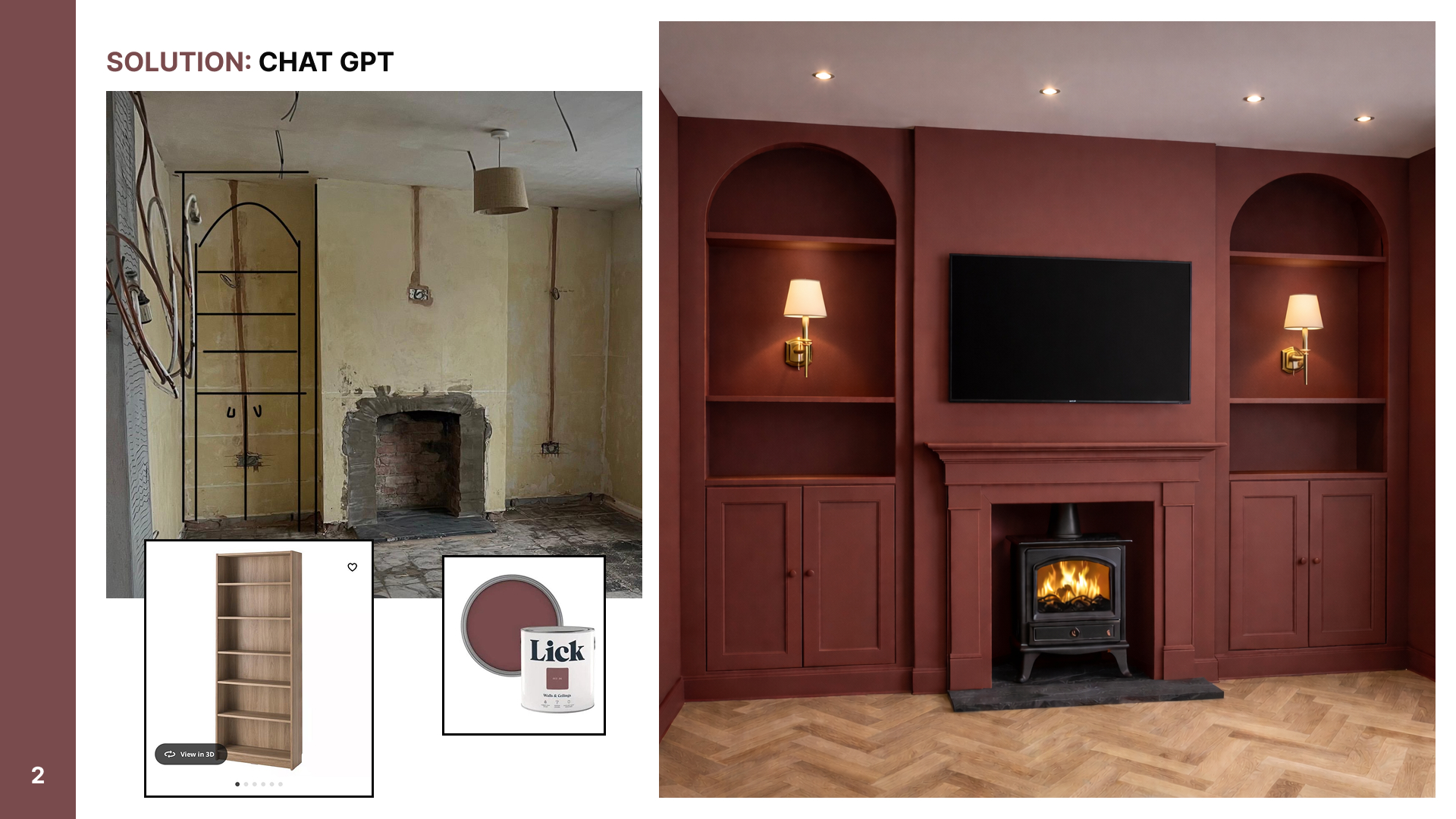
- Used ChatGPT to generate ideas, styles, and design directions
- Used AI visual tools to create and iterate on room concepts
- Explored variations in layout, colour, furniture, and lighting
- Refined concepts based on preference and practicality
Solution:
AI was used to rapidly generate and visualise interior concepts, allowing for:
- Exploration of multiple design styles and layouts
- Quick iteration on ideas without physical changes
- Clear visual direction for each space
- Better alignment between aesthetic and functional needs
The process shifted from slow, uncertain exploration to fast, visual decision-making.
Outcome:
- Reduced time spent exploring design options
- Increased confidence in final design decisions
- Clear visual direction before implementation
- Demonstrated how AI can support creative and spatial design processes
My Design Process:
- Problem definition and goal setting
- AI-assisted ideation using ChatGPT
- Visual exploration using AI canvas tools
- Iteration across layouts, styles, and materials
- Refinement based on usability and preference
Product:
A concept-driven interior redesign approach using AI tools to support ideation, visualisation, and decision-making.
Outcome:
This project demonstrates how AI can be used beyond digital products to support creative problem-solving, enabling faster exploration, clearer decisions, and more confident outcomes.

